Dental
All-on-6 dental implants in Turkey (2026)
Medically reviewed by Dr. Elif Şahin
Quick answer
All-on-6 is a full-arch dental restoration. An entire set of upper or lower teeth is fixed onto six dental implants placed in the jawbone. Instead of replacing each missing tooth individually, one non-removable bridge is anchored on six posts. The result is a stable, natural-looking arch of teeth.
- Restores a whole arch of teeth on six implants, not one implant per tooth.
- Differs from All-on-4 mainly in implant count: six can spread bite forces and add support when bone allows.
- Suits people missing most or all teeth in an arch with enough healthy jawbone; a scan confirms suitability.
- Often a temporary fixed bridge in days, with the final bridge after several months of healing.
In this guide
If you're missing most or all of the teeth in your upper or lower jaw, or facing the loss of failing teeth, All-on-6 is one of the modern ways to replace an entire arch. It gives you a fixed, non-removable set of teeth. Rather than a denture, it uses a fixed bridge instead. That bridge is anchored on six dental implants that integrate with your jawbone. This guide explains how it works, how it compares with the better-known All-on-4, who it suits, and what recovery and honest pricing look like.
It's general information to help you prepare for a conversation with a dentist. It's not medical advice.
What All-on-6 is
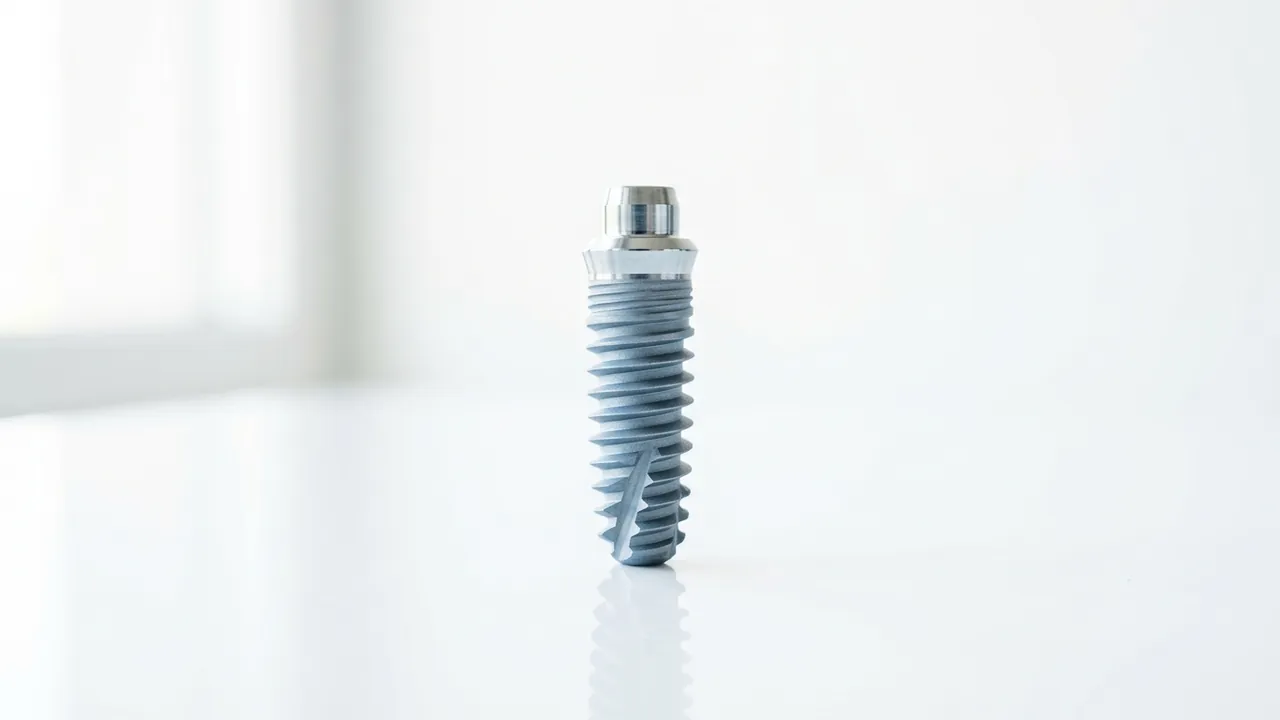
All-on-6 is a type of full-arch implant restoration. Six titanium implants are placed at planned angles into the jaw, and a bridge carrying a complete row of teeth is fixed on top of them. Because the implants fuse with the bone, a process called osseointegration, the bridge feels stable when you bite and speak. It isn't taken in and out like a conventional denture.
Why six implants?
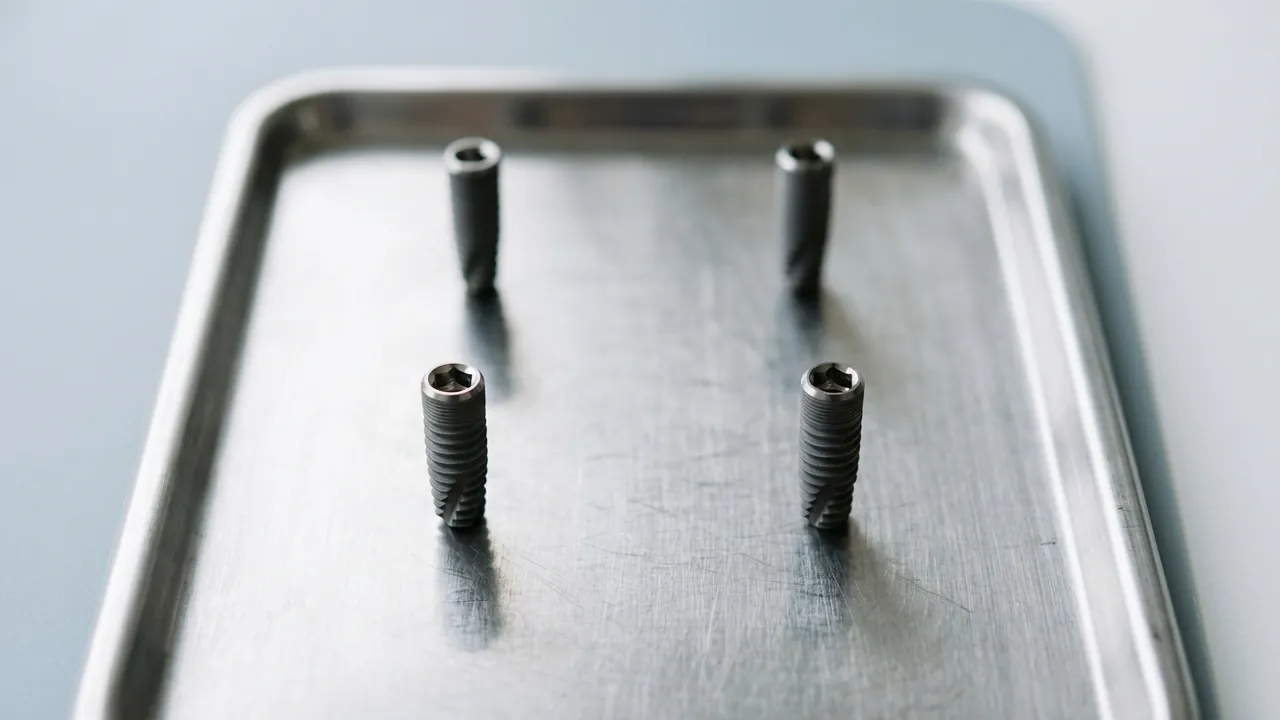
Spreading a full arch across six anchor points can distribute chewing forces more evenly and provide extra support, which some dentists favour when there's enough healthy bone. The aim is a strong, balanced foundation. You'll use this restoration every day, for years. Dental implants are among the most established tooth-replacement options in modern dentistry. The American Dental Association's MouthHealthy explains why.
All-on-6 replaces a whole arch on a fixed framework. It's a rebuild of your bite, not a patch on a single tooth.
All-on-6 vs All-on-4: the real difference
Both techniques share the same idea: a full fixed bridge on a small number of implants. The headline difference is the implant count: four versus six. But what matters clinically is how that number fits your jaw. Two extra implants can add support and share the load, while four implants placed at clever angles can work well where bone is more limited, sometimes avoiding grafting.
| All-on-4 | All-on-6 | |
|---|---|---|
| Implants per arch | Four | Six |
| Result | Fixed full-arch bridge | Fixed full-arch bridge |
| Load distribution | Concentrated on four posts | Spread across six posts |
| Bone requirement | Can suit more limited bone | Usually needs more bone volume |
| Often chosen when | Bone is reduced; grafting to be avoided | Bone allows extra support is wanted |
| Removable? | No — it's fixed | No — it's fixed |
Neither is universally "better". A good dentist recommends the option that matches your bone, bite and goals. That's conservative care in practice. It means using the least amount of intervention needed for a reliable result. Weighing the two? Our dedicated All-on-4 in Turkey guide covers that technique in detail.
Who plans your treatment. At SaluVista, full-arch implant cases are led by Dr. Cansu A., our oral implantology dentist who focuses on implants and bridges. You speak with your dentist before travelling, screening and booking happen in the app, and a qualified human makes the final decision about whether, and how, to treat.
Are you a candidate for All-on-6?
All-on-6 is designed for people who are missing most or all of the teeth in an arch, or whose remaining teeth are failing and best replaced. One factor matters most: enough healthy jawbone to hold six implants securely.
Factors a dentist checks
- Bone volume and quality — assessed with a 3D scan; grafting is sometimes suggested, or All-on-4 chosen instead.
- Gum health — active gum disease is usually treated first.
- General health — conditions affecting healing, and some medications, are taken into account.
- Smoking — it raises the risk of implant problems, so you'll be advised on this honestly.
Looking after your gums and teeth reduces the risk of the very tooth loss these treatments address; the NHS guide to healthy teeth and gums is a solid starting point. Because implants are a real surgical treatment, choosing a properly regulated dentist matters. In the UK, that means standards set by the General Dental Council. A thorough assessment, not a sales pitch, tells you whether All-on-6 is right.
The procedure step by step
- Consultation & imaging. You speak with your dentist, and scans map your bone and plan implant positions.
- Any preparation. Failing teeth may be removed and gum issues treated; occasionally grafting is planned.
- Implant placement. Six implants are placed into the arch under local anaesthetic, often with sedation options.
- Temporary bridge. Many patients leave with a fixed temporary bridge within a few days, so you're not without teeth.
- Healing. Over several months the implants integrate with the bone.
- Final bridge. Once healed, your custom, definitive bridge is fitted and adjusted to your bite.
Full-arch work is usually done across two trips. First comes placement and temporary teeth, then the final bridge after healing. That's normal for implant treatment, and something we plan around your schedule.
Recovery & healing
Most people manage everyday activities within about a week of implant surgery, with some swelling, bruising and soreness in the first days that's managed with simple pain relief and a soft-food diet. The longer part is the invisible healing beneath the temporary bridge, where the implants fuse to bone over several months before the final teeth go on.
Timelines vary with your healing, bone quality and whether grafting was needed. Treat any single number as a guide, not a promise. For a fuller picture, see our dental implant recovery guide.
Rushing the healing phase is the enemy of a lasting result. The months of integration are doing the real work.
Cost & what's included
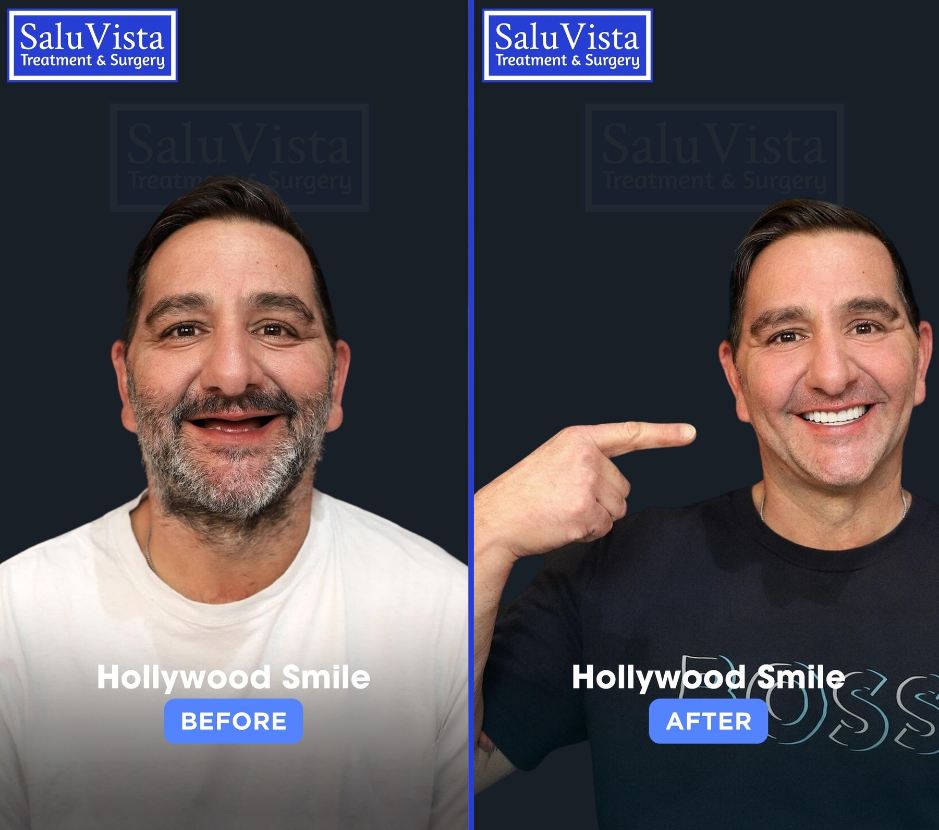
All-on-6 is a full-arch treatment made of several parts. No honest single sticker price fits everyone. The total depends on your implants, the bridge, and any preparation. A good provider gives you a transparent, itemised quote confirmed after assessment, so you can see exactly what you're paying for.
At SaluVista, pricing is built from clear guide figures: dental implants from £230 each, combined with your bridge and any groundwork into one plan. Where an individual replacement is more suitable, related options such as zirconium crowns from £190 per tooth may feature in a treatment plan. A rough euro conversion helps for budgeting: £230 is roughly €270 (at about £1 ≈ €1.18), but your written quote is always in the figures we confirm together.
For a deeper breakdown of how full-arch and single-implant pricing is put together, see our dental implants cost in Turkey guide, and the dental treatment hub for the full range.
Wondering if All-on-6 or All-on-4 fits your case?
Share your situation and any recent dental scans. Our implant dentist gives you an honest view, including if a different, less invasive option would serve you better.
Get a free assessment →Making it last
A fixed full-arch bridge is built to be a long-term solution. It isn't fit-and-forget, though. The implants and the gum and bone around them need looking after, much like natural teeth.
- Clean daily around and under the bridge as your dentist shows you. Special brushes and floss help.
- Keep regular check-ups so any issue is caught early.
- Avoid smoking, which is linked to more implant complications.
- Mind your bite — mention grinding, as a night guard may be advised.
With good care, full-arch restorations can last many years. No one can honestly promise they'll last forever. Sound hygiene and regular reviews give yours the best chance.
Frequently asked questions
What are All-on-6 dental implants?
All-on-6 is a full-arch restoration where a complete set of upper or lower teeth is supported by six dental implants placed into the jawbone. A single fixed bridge is anchored on those six posts, replacing an entire arch of missing or failing teeth without one implant per tooth.
What is the difference between All-on-4 and All-on-6?
Both restore a full arch on a fixed bridge, but All-on-4 uses four implants and All-on-6 uses six. The two extra implants in All-on-6 can spread bite forces more evenly and add support, which some dentists prefer when bone volume allows. All-on-4 is often chosen when bone is more limited. The right number is decided per patient after imaging, not by a fixed rule.
Am I a candidate for All-on-6?
You may be a candidate if you are missing most or all of the teeth in an arch, or have failing teeth, and have enough healthy jawbone to hold six implants. General health, gum health, smoking and conditions affecting healing all matter. Only a clinical assessment with imaging can confirm whether All-on-6, All-on-4, or another option suits you.
How much do All-on-6 dental implants cost in Turkey?
Because All-on-6 is a full-arch treatment, pricing is built from the individual parts and confirmed in a written quote after assessment. At SaluVista, dental implants start from £230 each and are combined with the bridge and any preparatory work into one itemised plan, so you see exactly what is included before you travel.
How long does All-on-6 recovery take?
Many patients receive a temporary fixed bridge within a few days of surgery and manage everyday activities within about a week. Full healing, where the implants fuse to the bone, usually takes several months, after which the final bridge is fitted. Timelines vary with healing, bone quality and whether any grafting was needed.
Are All-on-6 implants permanent?
The implants are designed to be a long-term, fixed solution and are not removed daily like a denture. They are not guaranteed to last forever, though: longevity depends on gum health, bone, bite, smoking and daily cleaning. Good hygiene and regular check-ups give a full-arch restoration the best chance of lasting many years.
How do I find out which option suits me?
Start with an assessment and a scan of your jaw. Get the SaluVista app or message us for a free, honest review, and our implant dentist will advise on All-on-6, All-on-4 or an alternative.
This article is general information, not medical advice, and does not replace a consultation with a qualified dentist. Individual results and recommendations vary. Always discuss your options and risks with a dental professional.