Dental
All-on-4 dental implants in Turkey (2026)
Medically reviewed by Dr. Elif Şahin
Quick answer
All-on-4 restores a full arch of teeth using four dental implants that support a single fixed bridge. Two implants are placed at the front and two are angled at the back to use existing bone, so many people avoid grafting. The bridge is fixed, not removed at home, and can often be fitted on a short trip to Turkey.
- Four implants support a fixed bridge of 10–14 teeth, an alternative to a full set of individual implants or a removable denture.
- The angled back implants use available bone, so grafting can often be avoided.
- A temporary bridge is often fitted quickly; the final bridge follows after a healing period.
- It is not right for everyone. Candidacy depends on bone, gum health and a full assessment with your dentist.
In this guide
If you've lost most of your teeth in one jaw, or your remaining teeth are failing, All-on-4 is one of the most talked-about ways to get a full, fixed set of teeth back. It's popular because it can restore a whole arch on just four implants, often without bone grafting, and frequently with a temporary bridge fitted quickly. This guide explains how it works, who it suits, and how to think about cost and recovery, honestly, so you can have a good conversation with a dentist before deciding anything.
It's general information to help you prepare, not medical advice.
What All-on-4 is
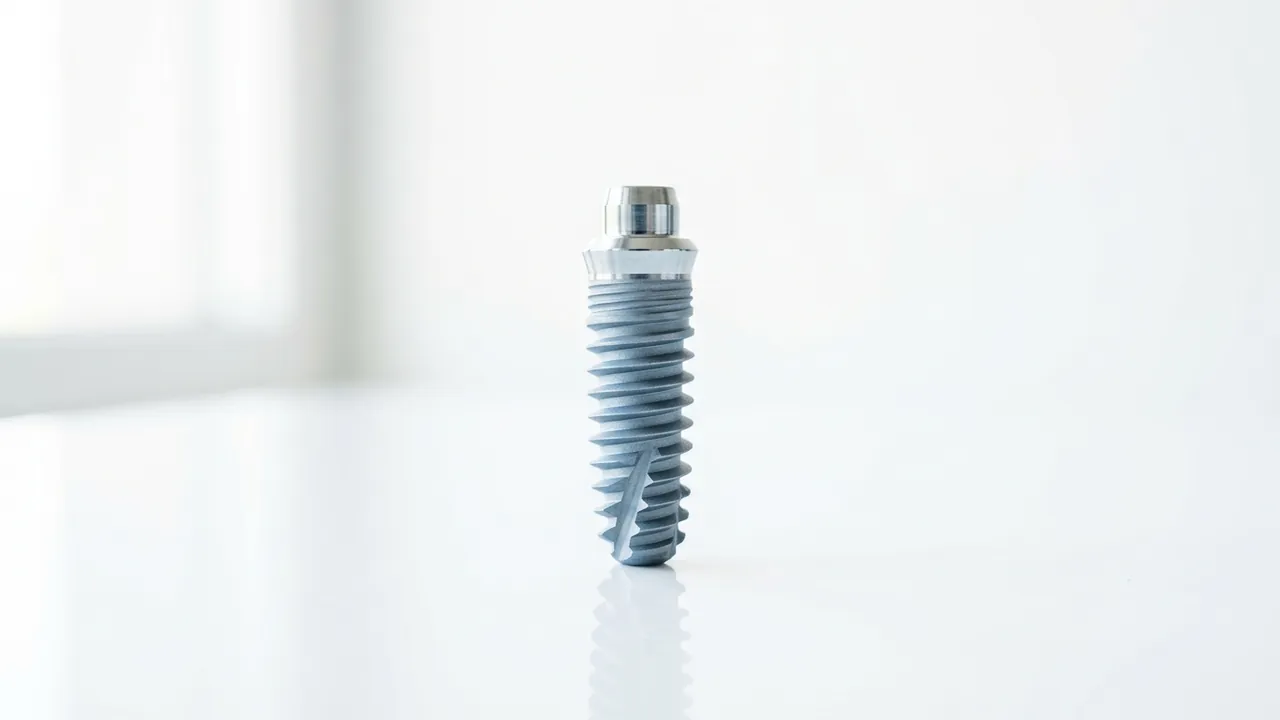
All-on-4 is a full-arch restoration technique. Instead of replacing every missing tooth with its own implant, it uses four carefully positioned implants to support a single fixed bridge that carries a full row of teeth, typically 10 to 14. The bridge is screwed onto the implants and stays in your mouth; unlike a conventional denture, you don't take it out at night.
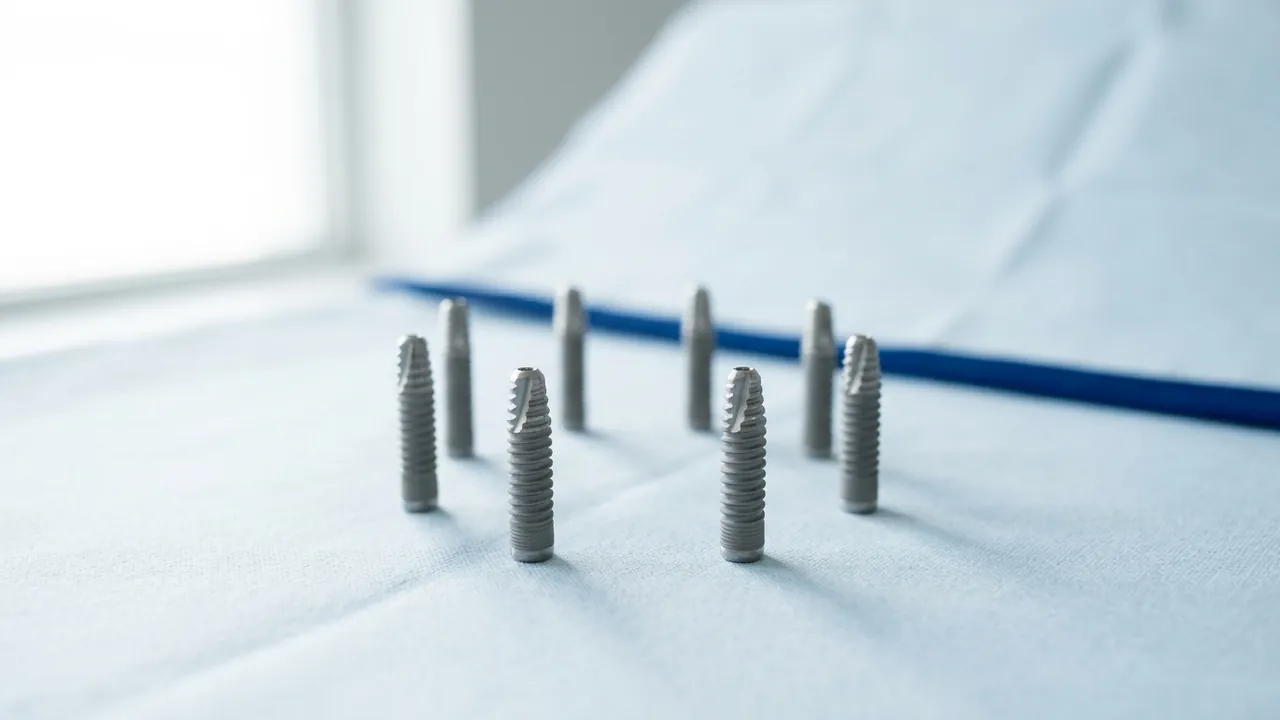
The clever part is the placement. The two front implants go in vertically, while the two back implants are angled (tilted) so they anchor into denser bone toward the front of the jaw. This lets many people who've experienced bone loss avoid a separate bone graft, one of the reasons the technique became so widely used. It's most often chosen by people who are missing all the teeth in an arch, or whose teeth are beyond saving.
All-on-4 is a specific answer to a failing or missing arch, and I only recommend removing teeth when it is genuinely the right call, not the easiest one. The implants can serve a patient for many years, but the bridge on top is a working part that needs maintenance, not a promise of teeth for life.Dr. Elif Şahin, Dental & Jaw
How the procedure works
SaluVista's dental care is led by experienced dentists: for implant work, Dr. Cansu A., an oral implantologist, plans and oversees full-arch cases. Before anything happens in your mouth, the process starts with assessment and planning.
1. Assessment and 3D planning
You speak with your dentist first, and screening happens through the SaluVista app. A 3D cone-beam (CBCT) scan shows your bone volume, nerve positions and sinus anatomy, so the implant plan is designed around your jaw, not a template. This stage decides whether All-on-4 is appropriate at all.
2. Any extractions and implant placement
On surgery day, any failing teeth are removed and the four implants are placed under local anaesthetic, with sedation options where suitable. The angled back implants are positioned to make the most of your available bone.
3. A fixed temporary bridge
In many cases a temporary fixed bridge can be attached soon after placement, so you leave with teeth rather than gaps. You'll follow a soft-food phase while the implants integrate with the bone (a process called osseointegration).
4. The final bridge
After a healing period of a few months, the permanent, stronger bridge is made and fitted. For a step-by-step view of implant treatment more broadly, our dental implant procedure steps guide covers each stage.
The "final decision" principle. At SaluVista, screening and booking happen in the app, but a qualified human dentist makes the final call on whether and how to proceed. No plan is confirmed on price or convenience alone.
Who is a candidate
All-on-4 may suit you if you've lost most or all of the teeth in an arch, wear a denture you're unhappy with, or have teeth failing due to advanced gum disease or decay. But suitability is individual. A dentist will look at:
- Bone volume and quality — enough to anchor four implants, confirmed on a 3D scan.
- Gum and general health — active gum disease is usually treated first; some medical conditions affect healing.
- Habits — smoking can impair implant healing, so it's discussed openly.
- Expectations — a willingness to maintain hygiene and attend follow-ups.
Good oral health underpins any implant success. The NHS guidance on healthy teeth and gums is a sound starting point for the daily care that protects your investment, and the ADA's MouthHealthy explains implant care in plain terms. Only a clinician who has examined you can confirm whether All-on-4 is right. This article can't.
All-on-4 vs the alternatives
All-on-4 is one option among several for a missing or failing arch. Here's how it generally compares. Your dentist personalises this to your case.
| All-on-4 | All-on-6 | Removable denture | |
|---|---|---|---|
| Implants per arch | 4 | 6 | 0 (or 2 for support) |
| Fixed or removable | Fixed bridge | Fixed bridge | Removable |
| Bone grafting | Often avoidable | May be needed | Not required |
| Feel & stability | Very stable | Very stable, more support | Can move; taken out |
| Typical use | Full arch, adequate front bone | Full arch, more bone/load spread | Budget or interim option |
If your dentist feels you'd benefit from more support or load distribution, they may discuss All-on-6 dental implants instead. The right number of implants is a clinical decision, not a marketing one. More isn't automatically better, and four isn't automatically enough. Explore the full range of options on our dental treatments hub.
Cost, honestly framed
Cost is one of the main reasons people research treatment in Turkey. But it should never be the only factor. At SaluVista, dental implants start from £230 / $310 each (roughly €270), and the total for an All-on-4 arch depends on the number and type of implants, the bridge material (for example an initial acrylic bridge versus a stronger final one), and any preparatory work.
Rather than quote a single headline figure, we give you a transparent, itemised quote confirmed after your assessment, so you can see exactly what's included (implants, abutments, the bridge, and aftercare) before you travel. For a fuller breakdown of how implant pricing is built up, read our dental implants cost guide.
A note on "cheap" full-mouth deals. Be cautious of very low all-in prices that don't specify implant brand, bridge material or what happens if something needs adjusting. A fair quote is itemised and includes follow-up. If it seems too good to be true, ask what's missing.
Recovery & aftercare
Recovery varies from person to person, but a general pattern looks like this:
- First few days: swelling, bruising and soreness are normal and usually well controlled with prescribed pain relief. Rest and follow your dentist's instructions.
- First weeks: a soft-food diet protects the healing implants. You'll gradually reintroduce firmer foods on your dentist's advice.
- A few months: the implants integrate with the bone before the final bridge is fitted.
- Long term: daily cleaning around the bridge, plus regular professional check-ups, are essential to keep everything healthy.
How long do the results last? With good hygiene and follow-up, the implants can last many years and studies report high long-term survival. The bridge, however, is a working part that experiences wear and may need repair or replacement over time, so it's honest to think of All-on-4 as a durable, well-supported restoration that needs care, not a permanent, maintenance-free result. Any clinic promising teeth that "last forever" is overselling.
Wondering if All-on-4 is right for your case?
Share a few details and photos, and a SaluVista dentist gives you an honest, personalised view, including whether a different option, or none at all, would serve you better.
Ask a dentist on WhatsApp →Why patients travel to Turkey
Turkey has become a major destination for dental implants because of experienced implant teams, modern clinics and lower costs than much of Western Europe, often combined into a single, well-organised trip. SaluVista is an Istanbul-based medical-travel platform (an Orozan company) that connects you directly with dentists like Dr. Cansu A., handles screening and booking in the app, and keeps a qualified human in charge of the clinical decision.
The safeguards matter as much as the savings. Choose a clinician you can verify, insist on a proper 3D-scan assessment, and make sure aftercare is included. UK patients can check how registration and standards work through the General Dental Council, which regulates dental professionals in the UK, a useful reference point for the questions to ask any provider, at home or abroad.
Frequently asked questions
What are All-on-4 dental implants?
All-on-4 is a way to restore a full arch of teeth using four dental implants that support a fixed bridge of 10 to 14 teeth. Two implants are placed vertically at the front and two are angled at the back to use the available bone, so many people can avoid bone grafting. The bridge is fixed in place and is not removed at home like a denture.
How long do All-on-4 dental implants last?
With good oral hygiene and regular check-ups, the implants themselves can last many years, and studies report high long-term survival. The bridge on top is a working component that experiences wear and may need repair or replacement over time. No dentist can honestly promise implants last forever, so long-term maintenance and follow-up matter.
Does All-on-4 hurt?
The procedure is carried out under local anaesthetic, often with sedation options, so you should not feel pain during surgery. Afterwards it is normal to have swelling, bruising and soreness for several days, which is usually managed well with prescribed pain relief. Discomfort typically eases within the first week.
Am I a candidate for All-on-4?
It may suit people who've lost most or all of an arch, or whose teeth are failing. Candidacy depends on gum health, bone volume, general health and habits like smoking. A thorough assessment with a 3D scan is needed first, and a qualified dentist makes the final decision.
How much do All-on-4 dental implants cost in Turkey?
At SaluVista, dental implants start from £230 / $310 each, and the exact cost of an All-on-4 arch depends on the implants, the bridge material and your individual plan. You always receive a transparent, itemised quote confirmed after a clinical assessment, so you know what is included before you travel.
How long does All-on-4 treatment take in Turkey?
Implant placement and a fixed temporary bridge are often completed in a single trip of several days. The permanent bridge is usually fitted after a healing period of a few months, which can mean a second visit. Your dentist confirms the exact timeline based on how you heal. Get the SaluVista app to start an assessment.
This article is general information, not medical advice, and does not replace a consultation with a qualified dentist. Individual results, candidacy and recommendations vary. Always discuss your options and risks with a dental professional.