
Hair transplant
Hair transplant results: month by month
Medically reviewed by Dr. Ferhat Demiroğlu
Quick answer
A hair transplant grows in slowly. The transplanted hairs usually shed within the first few weeks, then the follicles rest before producing new hairs from around three to four months. You see meaningful thickening by six to nine months, a fuller result at about twelve months, and the final outcome at roughly twelve to eighteen months.
- Weeks 2–6: the transplanted hairs shed. This is normal, and the follicles stay in place.
- Months 3–4: new hairs start pushing through, often fine and patchy at first.
- Months 6–9: visible coverage and thickening; the result starts to look natural.
- Months 12–18: full density and the final, mature result.
In this guide
One of the hardest parts of a hair transplant isn't the procedure. It's the wait. Growth follows the body's own hair cycle, which can't be rushed, so the weeks after surgery often look like nothing is happening (or worse, like your new hair is falling out). That's expected. This guide walks through what genuinely happens month by month, so you know what's normal, what isn't, and when to judge your result.
It's general information to help you set realistic expectations, not medical advice.
Why results take time
Transplanted follicles go through the same growth cycle as any hair: a growing phase (anagen), a brief transition, and a resting phase (telogen). When follicles are moved during surgery, they're stressed, so many drop their existing hair shaft and enter a resting phase before starting to grow again. That built-in pause is why a hair transplant reveals itself over many months, not weeks.
The NHS notes that hair loss itself is often gradual and influenced by genetics and hormones, and the NHS hair loss overview is a helpful primer on why hair behaves the way it does. A transplant redistributes healthy follicles, but it still has to work through that same natural rhythm.
The follicle is what matters, not the hair shaft you can see. Losing the visible hair after surgery does not mean losing the graft.
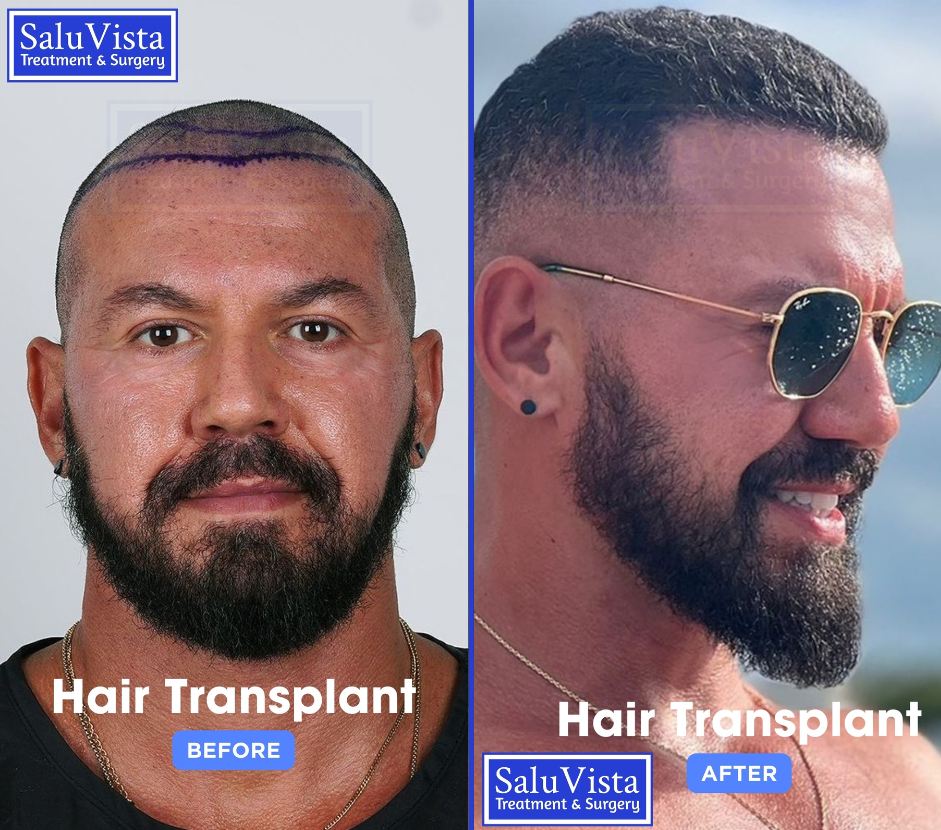
The month-by-month timeline
Days 0–14: healing
Immediately after surgery the grafted area may look red or crusted. Tiny scabs form around each graft. The transplanted hairs are present but the priority is healing and protecting the grafts. Swelling on the forehead can appear in the first days and settles quickly. Careful washing as instructed, and avoiding knocks, is the whole job of these two weeks. Our recovery timeline covers this early aftercare in detail.
Weeks 2–6: shock shedding
Now the part that surprises people: the transplanted hairs fall out. This is called shock loss or shedding, and it's a normal sign the follicles are resetting into their resting phase. Some people also shed a few nearby native hairs temporarily. The scalp can look thinner than before surgery. It feels like a setback; it isn't. The follicles are safe beneath the skin.
Months 2–3: the quiet phase
Often the least eventful stretch. The follicles are resting, the scalp looks settled, and there's little visible growth. Occasional pimple-like spots (ingrown hairs trying to surface) can appear and usually resolve on their own. Patience here is normal and expected.
Months 3–4: first new growth
New hairs begin to emerge. At first they're fine, thin and sometimes curly or lighter in colour. This is often called "baby hair". Growth is uneven: some areas sprout before others. It's real progress, even though it doesn't look like the final result yet.
Months 6–9: it starts to look like you
This is usually the turning point. Enough hairs have grown and thickened that there's visible coverage, and the earlier baby hairs mature into stronger strands. Most people feel comfortable in everyday life around this stage. Density is still building, especially at the crown, which typically lags behind the hairline.
Months 12: the fuller result
By around twelve months most of the transplanted follicles are producing mature hair, and the result looks substantially complete. Texture and thickness match your surrounding hair more closely, and styling becomes easier.
Months 12–18: refinement
The last stretch is about maturation. Hairs continue to thicken, the hairline softens and blends, and any late-growing follicles fill remaining gaps. Larger sessions and crown work often need this full period to show their best.
Timeline at a glance
| Timeframe | What's typically happening | How it looks |
|---|---|---|
| Days 0–14 | Healing, scabs form and clear | Red/crusted, hairs still present |
| Weeks 2–6 | Shock shedding of transplanted hairs | Thinner — follicles resting, not lost |
| Months 2–3 | Follicles at rest, little visible change | Quiet, settled scalp |
| Months 3–4 | First fine new hairs emerge | Patchy "baby hair" |
| Months 6–9 | Coverage builds, hairs thicken | Looks natural day to day |
| Month 12 | Most follicles mature | Fuller, near-complete result |
| Months 12–18 | Density and hairline refine | Final, mature result |
Shock shedding, explained
Shock shedding is the single most misunderstood part of the journey. Because it happens just weeks after surgery, before any new growth, it can feel like the procedure failed. It hasn't. What sheds is the hair shaft; the follicle that produces future hair remains anchored in the scalp and simply pauses before regrowing.
Reassurance, not a red flag. Shedding in the first weeks is expected. Persistent redness, spreading pain, pus or signs of infection are different; those warrant contacting your clinic promptly. When in doubt, send photos and ask.
A minority of people also experience temporary shedding of some existing native hairs near the transplant area. This too usually recovers as the follicles cycle back into growth.
When is the final result?
Most people reach a result they're happy with around twelve months, but the honest answer is that the scalp keeps maturing to twelve to eighteen months, and sometimes beyond for the crown or very large cases. If you evaluate your outcome at six months and feel underwhelmed, that's simply too early: a large share of the improvement is still to come.
The International Society of Hair Restoration Surgery (ISHRS) is a useful independent resource on how restoration works and how to think about realistic outcomes. A reputable surgeon plans your session around your long-term hair pattern, not just today's hairline, which is also why whether a transplant lasts depends on both the grafts and how your natural hair ages.
What changes your timeline
- Graft count and area. Larger sessions and the crown generally take longer to fill. See how many grafts you might need.
- Where on the scalp. Hairlines tend to show earlier than the crown, which is notorious for lagging.
- Your own hair cycle. Individual biology, age and hair characteristics all influence pace.
- Health and habits. Smoking, poor sleep and uncontrolled health conditions can slow healing.
- Aftercare. Following your clinic's instructions in the early weeks protects the grafts that everything else depends on.
Wondering if your growth is on track?
Share your stage and photos and a specialist will give you honest, personalised feedback on what to expect next, no pressure, no invented promises.
Ask a specialist →How to give follicles the best chance
You can't speed up the hair cycle, but you can avoid slowing it down. In practice that means following your aftercare to the letter, sleeping and eating well, staying hydrated, not smoking, and protecting the scalp from sun and trauma while it heals. If your surgeon recommends medication to support your surrounding native hair, take it as directed. At SaluVista, hair restoration is led by Op. Dr. Caner K., a board-certified plastic surgeon with over 10,000 surgeries, and you speak with your surgeon before travelling, so your plan and expectations are set with a qualified human, not an algorithm.
Our all-inclusive hair transplant starts from £1,500 / $2,020 (approximately €1,750) for a single session with an unlimited number of grafts, with screening and the final decision handled through the SaluVista app.
Frequently asked questions
How long does it take to see hair transplant results?
Most people see early new growth from around three to four months, meaningful thickening by six to nine months, and the fuller result at about twelve months. Because the scalp keeps maturing, the final outcome is usually judged at twelve to eighteen months — longer for larger sessions or the crown.
Why did my transplanted hair fall out after surgery?
This is called shock loss or shedding and it is expected. In the first two to six weeks the transplanted hair shafts fall out while the follicles stay safely in place beneath the skin. The follicles then rest and begin producing new hairs a few months later. Losing the hairs does not mean losing the grafts.
When will my hair transplant look natural?
By around six to nine months most people have enough coverage for the result to look natural in everyday life. The final density and how the hairline blends continue to refine up to twelve to eighteen months, as newer hairs thicken and mature.
Is a hair transplant permanent?
Transplanted follicles are usually taken from areas resistant to the hormone linked to pattern hair loss, so they tend to keep growing long term. However, non-transplanted hair around them can still thin with age, which is why a doctor plans for the future rather than promising a fixed outcome. Our guide on whether a hair transplant lasts covers that question in more depth.
Can I speed up hair transplant growth?
There is no reliable way to force follicles to grow faster than their natural cycle. What helps is following your aftercare, sleeping and eating well, not smoking, and taking any medication your surgeon recommends. Patience through the slow early months is the most important factor.
What if I do not see results at 6 months?
Growth is uneven and often lags at the crown or in larger sessions, so a lighter result at six months is common and not a cause for alarm on its own. Most improvement appears between six and twelve months. If you are concerned, share photos with your clinic so your surgeon can review your progress.
This article is general information, not medical advice, and does not replace a consultation with a qualified doctor. Individual results and timelines vary, and no specific outcome can be guaranteed. Always discuss your options and risks with a medical professional.
Sources & further reading
Planning