Dental
Veneers in Turkey: cost & what to know (2026)
Medically reviewed by Dr. Elif Şahin
Quick answer
Dental veneers in Turkey with SaluVista start from £320 / $430 per tooth (roughly €380), quoted openly and confirmed only after a clinical assessment, and what you end up paying depends on how many teeth need treatment, the veneer material, and whether any prep work comes first. A good dentist prices per tooth and protects healthy enamel. Sometimes the better fit is simply less invasive.
- From £320 / $430 per tooth — itemised, never a vague lump sum.
- Material and tooth count are the biggest cost drivers.
- Conservative care first: whitening or bonding may be enough. Veneers involve irreversible enamel removal.
- You speak with your dentist before travelling; the final plan is decided in assessment.
In this guide
Veneers come up in almost every dental-tourism conversation, and Turkey is where a lot of those conversations end up, mostly because the headline prices floating around online rarely match what people actually pay, and the cheapest quote you find on a forum is almost never the one that keeps your teeth intact. Below is what veneers really cost, what moves that number, and how to land on a plan that looks natural and leaves your own teeth alone as much as possible.
This is general information to help you prepare, not medical advice.
How much veneers cost in Turkey
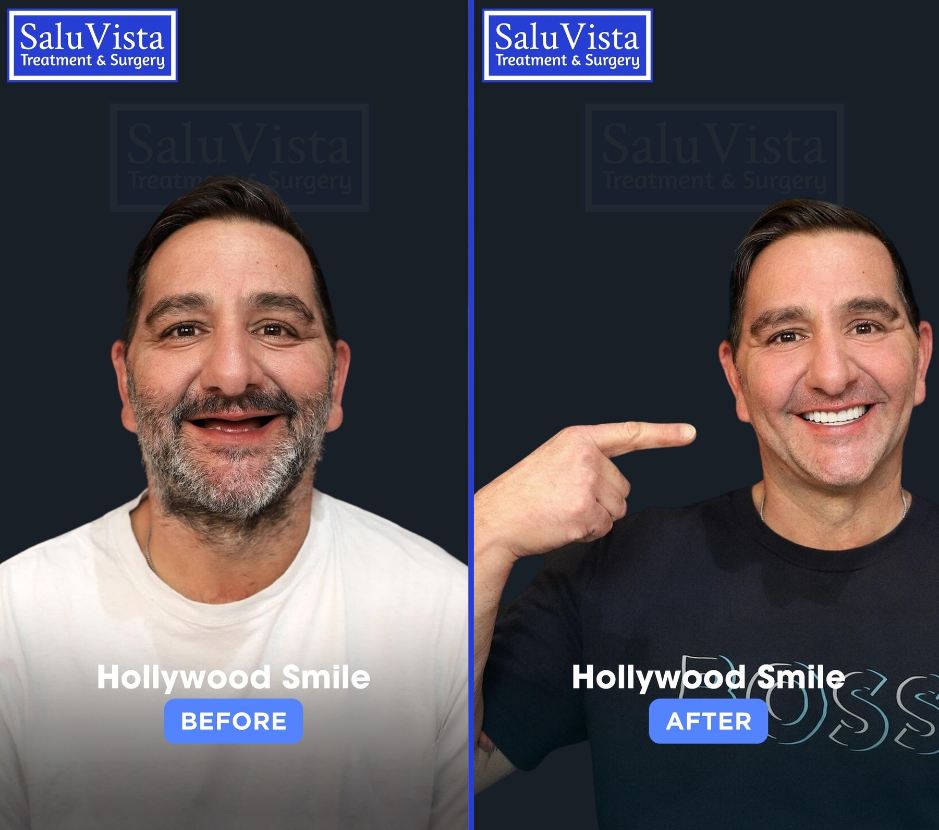
At SaluVista, dental veneers start from £320 / $430 per tooth. That's roughly €380 at current exchange rates. We quote per tooth, not as a bundled "smile package", so you always know exactly what you're paying for and only treat the teeth that actually show. For comparison, our other restorative work starts from £190 / $255 per tooth for a zirconium crown and £230 / $310 for a dental implant, and a full Hollywood smile from £5,000 / $6,730 depending on the plan.
Because every mouth is different, the honest answer to "what will mine cost?" is that it depends on how many teeth need treatment and what condition each one is in. That's why we confirm a transparent, itemised quote after a clinical assessment rather than quoting blind, so you won't get a surprise line item once you're already sitting in the chair. Weighing a full-arch transformation? Our Hollywood smile guide breaks down what that package involves.
Why so much cheaper than the UK? Mainly lower clinic overheads, laboratory costs and everyday living expenses in Turkey, not lower standards at a reputable clinic. The question worth asking isn't "why is it cheap," it's "who's actually doing the work, and are they protecting my healthy teeth?"
What drives the price
Two quotes for the same-sounding treatment can land far apart, and there's usually a real reason why. Here's what actually moves the number:
- Number of teeth. Most people show 8–10 teeth when they smile. Treating 6 front teeth costs far less than a full upper arch.
- Material. Composite veneers are cheaper than hand-layered porcelain; premium porcelain and lab-crafted work cost more but tend to look more natural and last longer.
- Preparatory work. If you need fillings, gum treatment or a tooth stabilised first, that's listed separately in your quote.
- Complexity. Correcting bite issues, heavy staining or crowding takes more planning and lab work than a straightforward refresh.
- The dentist and lab. An experienced prosthodontist working with a skilled ceramist is not the same product as the lowest-cost option online.
A quote you can trust should leave you feeling more confident, not just more excited, and if nobody has actually looked in your mouth yet and the price still seems too good to be true, that's worth pausing on. An itemised plan from a named clinician is the safer signal every time.
Veneers vs other smile options
Veneers aren't always the right call. Depending on what's going on with your teeth, a less invasive route can sometimes get you the result you want for less money and less permanent change.
| Option | Best for | Tooth removal | From (per tooth) |
|---|---|---|---|
| Whitening | Healthy teeth, just discoloured | None | Non-invasive |
| Composite bonding | Small chips, gaps, minor reshaping | Minimal | Lower cost |
| Veneers | Shape, colour & alignment of visible teeth | Thin enamel layer | £320 / $430 |
| Zirconium crown | Heavily damaged or root-treated teeth | More of the tooth | £190 / $255 |
Want the fuller breakdown of veneer versus crown? Our comparison, veneers vs crowns, has it.
Types of veneers
Porcelain (ceramic) veneers
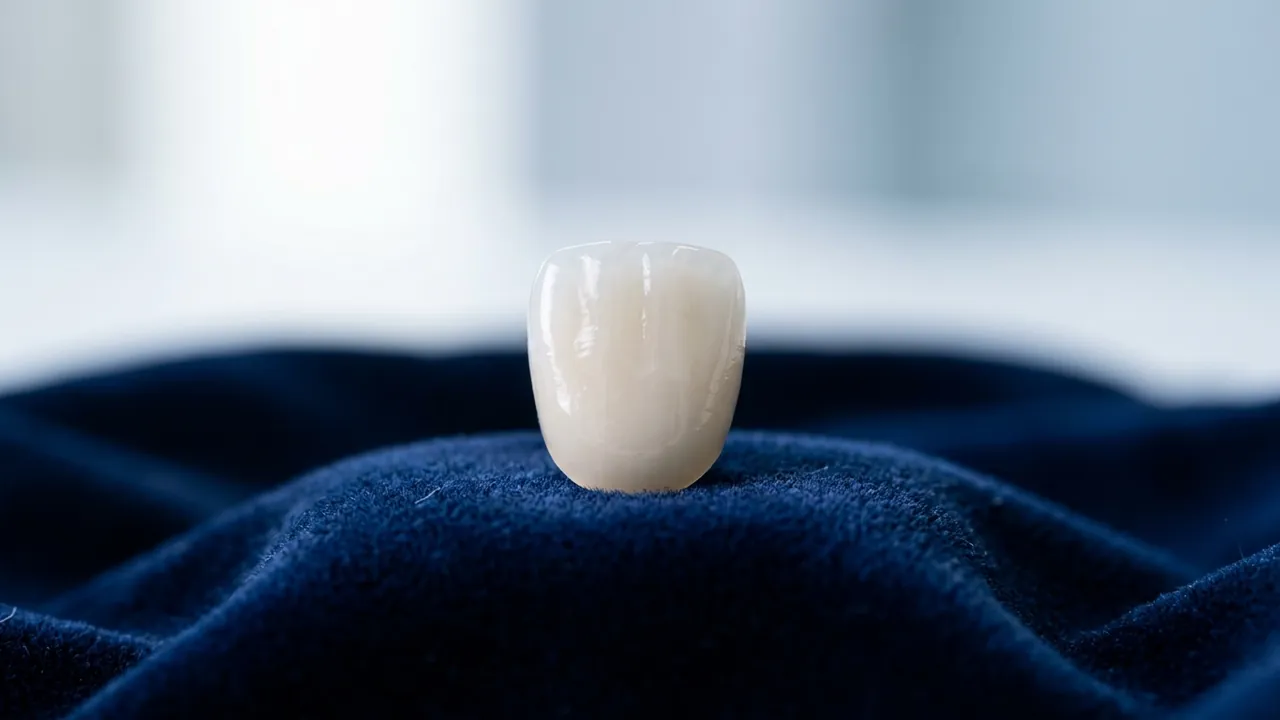
Thin, custom-made ceramic shells bonded onto the front of the tooth. They resist staining well, and in skilled hands they mimic natural enamel closely, though most need a small amount of enamel removed first, and they're made in a dental laboratory rather than shaped chairside.
Composite veneers
Tooth-coloured resin applied and sculpted directly onto the tooth, usually in a single visit, and composite is more affordable and often more conservative, though it generally doesn't last as long as porcelain and can pick up stains over time.
No-prep & minimal-prep veneers
Ultra-thin veneers that need little or no enamel removed. Not everyone is a candidate. But for the right teeth, this is about as conservative as a smile change gets. A good dentist will tell you plainly whether your teeth suit them.
Our dedicated guide to veneer types compares durability, appearance and reversibility in more detail. It'll help you ask your dentist the right questions.
Enamel doesn't grow back. Before you even look at the price, ask how much of your own tooth the dentist actually plans to keep, because that's the number that matters most.
Are you a good candidate?
Veneers tend to work best when your teeth and gums are already healthy and what's bothering you is mainly cosmetic: colour, shape, small gaps, or minor alignment. You're likely a good candidate if you:
- Have healthy gums and no untreated decay or gum disease.
- Have enough healthy enamel for the veneer to bond to.
- Don't heavily grind or clench (or are willing to wear a night guard).
- Have realistic expectations and want a natural, not "too perfect", result.
Cosmetic dentistry only works on top of good oral health. The UK's NHS guidance on healthy teeth and gums is a genuinely useful, sensible baseline, and the American Dental Association's MouthHealthy explains cosmetic options in plain language. If there's decay or gum disease, that gets treated first. Veneers placed over an existing problem just cover it up. They don't fix it.
The honest, conservative view
Here's the part some clinics skip over. Veneers usually mean removing a thin layer of enamel, and that change is permanent. It doesn't come back. A responsible dentist protects healthy tooth structure first and offers whatever is the least invasive option that still gets you where you want to go, and for one patient that's whitening. For another, it's bonding a single chipped tooth instead of veneering all ten. Occasionally, it's simply telling someone they don't need this at all.
Our dental care is led by Dr. Zeynep Y., a prosthodontist focused on aesthetic, natural-looking restorations and smile design, and her approach stays deliberately conservative: keep as much of your own tooth as possible, and never talk anyone into irreversible work they don't actually need. Her background is on our surgeons and dentists page. For the full range of treatments, see the SaluVista dental hub.
Regulation matters. In the UK, dentists must be registered with the General Dental Council. Wherever you're treated, ask about your clinician's qualifications and registration. It's a fair question, and any good clinic will welcome it.
Your SaluVista journey
SaluVista is an Istanbul-based medical-travel platform (an Orozan company) that connects you directly with experienced dentists, and the whole process is built so a qualified human, not an algorithm, makes the final call on your plan:
- Share photos and goals in the app for an initial view.
- Speak with your dentist before you travel, so the plan is agreed in advance.
- Screening and booking happen in the app, with your itemised quote confirmed after assessment.
- Treatment in Istanbul, followed by aftercare guidance for the long term.
Want an honest veneer quote — or a second opinion?
Send a few photos and what you'd like to change, and Dr. Zeynep's team will tell you what's realistic, including whether a simpler treatment would serve you better.
Get a free assessment →Frequently asked questions
How much do veneers cost in Turkey?
At SaluVista, dental veneers start from £320 / $430 per tooth (roughly €380), with your final figure set out in a transparent, itemised quote confirmed after a clinical assessment. The total depends on how many teeth you treat, the veneer material, and any preparatory dental work you need. A full smile makeover is priced per tooth, not as a vague package, so you can see exactly what you are paying for.
Are cheap veneers in Turkey safe?
Price alone tells you very little about safety. What matters is the dentist's training, the honesty of the treatment plan, and whether healthy tooth structure is protected rather than aggressively filed down. A responsible clinic will sometimes advise against veneers and suggest whitening, bonding or crowns instead. Always check the clinician's credentials and insist on a conservative plan before agreeing to any irreversible work.
How many veneers do I need for a full smile?
Most people show between 8 and 10 teeth on a full smile, and many complete their upper arch with 8 to 10 veneers. Some only need 4 to 6 on the most visible front teeth. The right number is decided with your dentist based on what shows when you smile, the condition of each tooth, and your goals, not a fixed package.
Do veneers ruin your teeth?
Veneers do not have to damage your teeth, but preparation usually involves removing a thin layer of enamel, which does not grow back. That is why a conservative dentist removes as little as possible and considers no-prep or minimal-prep options when suitable. Done well and maintained, veneers protect the look of your smile; done aggressively, they can weaken otherwise healthy teeth.
How long do veneers last?
Porcelain veneers commonly last around 10 to 15 years, and sometimes longer, though no dentist can guarantee a lifetime. Their lifespan depends on your bite, oral hygiene, whether you grind your teeth, and habits like nail-biting. Veneers can chip or debond and will eventually need replacing, so they are a long-term commitment rather than a permanent, one-time fix.
What is included in the SaluVista veneer price?
Your itemised quote spells out exactly what's included: typically the consultation, the veneers themselves at the agreed per-tooth price, and your treatment appointments. Because everyone's mouth is different, any preparatory care such as fillings or gum treatment is listed separately, so nothing catches you by surprise. You'll speak with your dentist before you travel, and the final plan is confirmed after assessment. Get the SaluVista app to start.
This article is general information, not medical advice, and does not replace a consultation with a qualified dentist. Individual results, suitability and recommendations vary. Veneers involve permanent changes to your teeth — always discuss the options, alternatives and risks with a dental professional.
Sources & further reading