Plastic surgery
Liposuction in Turkey: cost & honest guide (2026)
Medically reviewed by Dr. Mehmet Yılmaz
Quick answer
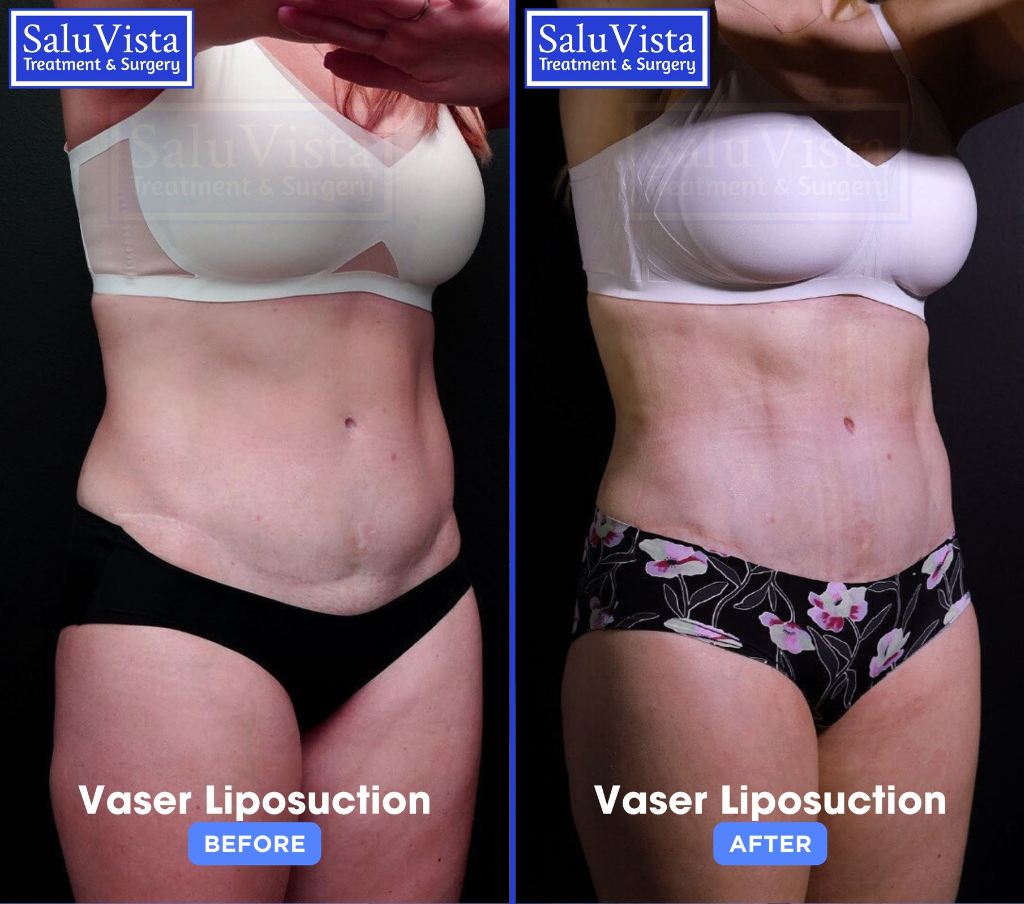
Liposuction in Turkey with SaluVista starts from £2,205 / $2,970 (≈ €2,600) for a single area, with 360° liposuction from £3,520 / $4,740 and each extra area from +£1,050 / $1,415. It is a body-contouring procedure that removes stubborn, localised fat to reshape an area. It's not a weight-loss treatment. Your exact price is confirmed by an itemised quote after assessment.
- From £2,205 / $2,970 per area · 360° lipo from £3,520 / $4,740 · each additional area +£1,050 / $1,415, guide prices only.
- Lipo sculpts; it does not replace diet, exercise or bariatric surgery.
- Best for people near a stable, healthy weight with good skin tone and diet-resistant fat pockets.
- Expect a compression garment for several weeks; the final shape settles over 3–6 months.
In this guide
Most people who search for liposuction in Turkey arrive with the same two questions: what does it cost, and what can liposuction realistically do for me? You'll get a straight answer to both here. Start with the point that trips up the most people: liposuction is a contouring operation that refines your shape. It is not a shortcut to weight loss. Treat this as background to help you prepare, not medical advice.
What liposuction costs in Turkey
We quote liposuction per treated area, because the area count is what really moves the cost. Everything below is an owner-approved "from" guide price. Your final figure comes in a written, itemised quote after an individual assessment:
| Procedure | From (guide) | Approx. € |
|---|---|---|
| Liposuction — single area | from £2,205 / $2,970 | ≈ €2,600 |
| Each additional area | +£1,050 / $1,415 | ≈ €1,240 |
| 360° liposuction (full circumference of the midsection) | from £3,520 / $4,740 | ≈ €4,150 |
Why does the price move? Mainly the number of areas, the volume of fat to be removed, the technique used and your overall assessment: a single flank is a different job from a 360° circumferential contour of the waist, back and abdomen, and we'd rather show you an itemised quote than a headline number that hides extras.
Price is a guide, never a sales tool. A good surgeon will sometimes advise a smaller treatment than you came in for, or none at all. Every SaluVista quote is confirmed after assessment, and no one should feel pushed by a "from" figure. Cheaper is not safer.
For how our wider aesthetic pricing works, see the plastic surgery hub, which sets out our body, face and breast procedures together.
What liposuction actually is (and isn't)
Liposuction removes localised pockets of fat through small incisions, using a thin tube called a cannula to sculpt a smoother, more proportioned contour, and the target is the fat that clings on despite sensible diet and exercise: the flanks, the lower abdomen, the inner thighs, the "double chin." These are the spots that rarely budge, however disciplined you are.
Liposuction reshapes an area, it does not treat obesity, and I make that clear to anyone who arrives expecting it to replace weight loss. The best results come from patients already close to a stable weight, with skin that has enough elasticity left to redrape smoothly.Dr. Mehmet Yılmaz, Plastic Surgery
The UK's NHS guidance on cosmetic procedures puts it plainly: it should not be used as a general weight-loss method, and if losing a significant amount of weight is your main goal, the right path is a supervised programme or, where appropriate, bariatric surgery, not lipo. We'll tell you that honestly.
Who is a good candidate?
Liposuction tends to work best when a few things line up. A surgeon confirms your suitability in person:
- You're at or near a stable, healthy weight and your weight isn't fluctuating.
- You have specific, diet-resistant fat pockets rather than generalised excess weight.
- Your skin has reasonable tone and elasticity, so it can redrape after fat is removed.
- You're a non-smoker (or willing to stop before and after) and in good general health.
- You have realistic expectations, an improved contour, not perfection or a guaranteed dress size.
Where skin has lost significant elasticity, say after major weight loss or a pregnancy, liposuction on its own can leave the skin loose, and a skin-tightening procedure such as a tummy tuck may suit you better. Part of a responsible assessment is telling you when lipo is not the answer.
Common areas & techniques
Where it's commonly used
The areas that come up most often are the abdomen and waist, flanks ("love handles"), back, inner and outer thighs, upper arms, and the submental area (under the chin), and "360° liposuction" means contouring the full circumference of the midsection, front, sides and back, for an even wrap-around result.
Techniques you may hear about
Beyond traditional suction-assisted liposuction, some cases call for energy-assisted methods (ultrasound- or laser-assisted devices, for instance) to help emulsify fat or encourage skin tightening, but none of it is magic, and no device removes the need for good judgement about how much to take and where. Your surgeon picks the approach that suits your tissue and goals, not a one-size-fits-all package.
Fat that's harvested can sometimes be reused. In a Brazilian butt lift (BBL), fat removed by liposuction is purified and re-injected to reshape the buttocks. That's one reason lipo and BBL come up together so often.
Safety & how we screen
Liposuction is a real operation, and it carries real risks: bruising, swelling, numbness, contour irregularities, and, less commonly, more serious complications, and removing very large volumes, or combining several procedures, raises the stakes further. That's why volume, technique and combinations are clinical decisions, not customer choices.
Your plastic and aesthetic surgery is led by two board-certified plastic surgeons. For body contouring, post-bariatric cases included, the relevant specialist is Assoc. Prof. Emre G., an academic plastic surgeon whose work spans facial aesthetics, rhinoplasty and body contouring. You speak with your surgeon before you travel, screening and booking happen in the SaluVista app, and a qualified human surgeon makes the final decision on whether and how to proceed.
If you want independent, non-commercial guidance on choosing a surgeon and weighing the risks, the British Association of Aesthetic Plastic Surgeons (BAAPS) is a sensible place to start before any cosmetic procedure, whether in Turkey or anywhere else.
Recovery & the compression garment
Recovery happens in stages, and swelling is the main story. Here's a realistic outline, though individual timelines vary:
- First few days: soreness, bruising and swelling are normal. Gentle walking is encouraged early to support circulation.
- Week 1–2: most people take this time off work and normal activity, depending on how many areas were treated.
- Weeks to months: swelling settles gradually. You'll typically avoid strenuous exercise for several weeks on your surgeon's advice.
- 3–6 months: the final contour emerges as the last of the swelling resolves. Patience here is part of the result.
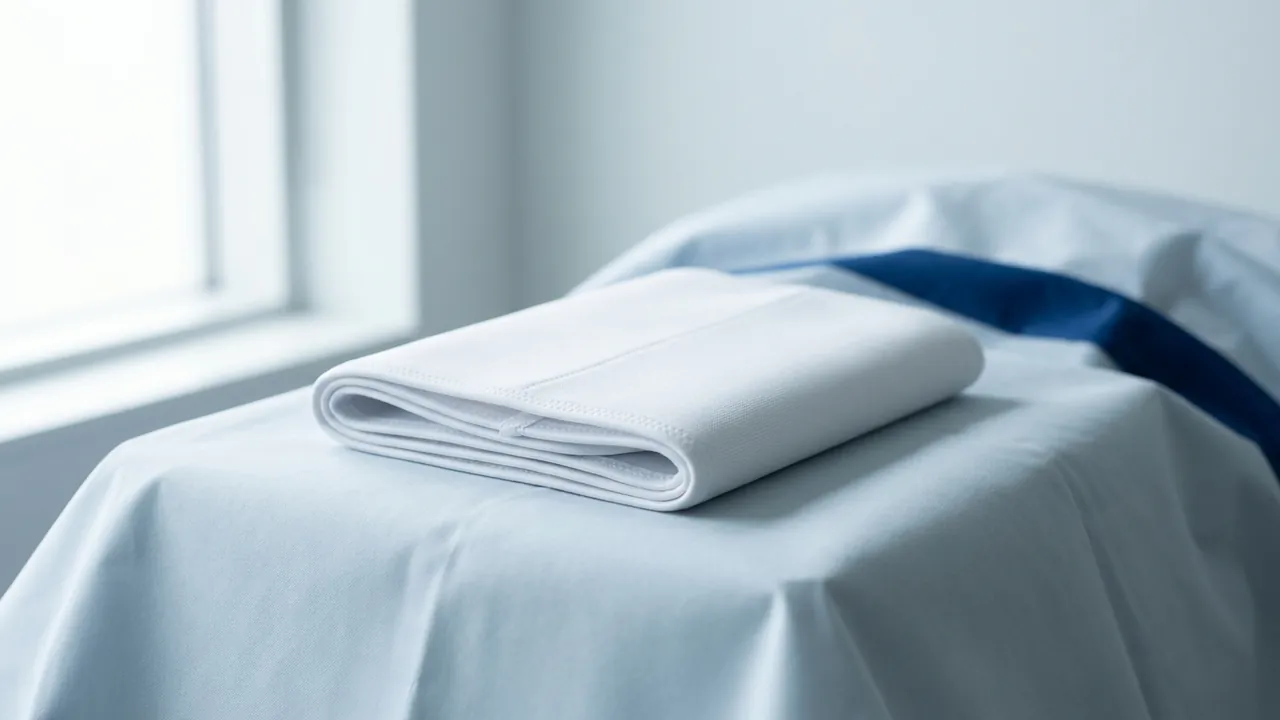
The compression garment is not optional extra kit. It's a core part of healing: it controls swelling, supports the treated tissue and helps the skin redrape smoothly over the new contour, and you'll usually wear it almost continuously at first, then part-time, for as many weeks as your surgeon specifies. Wearing it the way you're told genuinely shapes how your result settles.
The garment does quiet, important work while you heal. Skipping it to be more comfortable early on can compromise the very shape you paid for.
Want to know if liposuction is right for you?
Tell us your goals, your health details and the areas you're thinking about. A specialist gives you an honest, personalised view (including whether a different procedure, or none at all, would serve you better) plus an itemised quote after assessment.
Chat on WhatsApp →Combining liposuction with other procedures
Liposuction is often part of a bigger contouring plan rather than a stand-alone procedure:
- With a tummy tuck, to refine the flanks and waist while excess skin is removed.
- As the harvesting step for a BBL, where your own fat is transferred to reshape the buttocks.
- For gynecomastia (male chest), where liposuction can address the fatty component of enlarged male breast tissue.
Combining procedures can mean one recovery instead of two, but it also means longer surgery and a bigger physical demand, and whether that trade is safe is a judgement your surgeon makes for you specifically, because the SaluVista principle doesn't move: safety before convenience, and combinations only when a surgeon judges them appropriate.
Frequently asked questions
How much does liposuction cost in Turkey?
At SaluVista, liposuction starts from £2,205 / $2,970 (about €2,600) for a single area, with 360° liposuction from £3,520 / $4,740 (about €4,150) and each additional area from an extra £1,050 / $1,415. These are guide 'from' prices; your exact figure is confirmed in a transparent, itemised quote after an individual assessment, because it depends on the number of areas, the volume of fat and the technique used.
Is liposuction a way to lose weight?
No. Liposuction is a body-contouring procedure, not a weight-loss treatment. It removes localised, stubborn fat deposits to reshape an area, but it is not a substitute for diet, exercise or bariatric surgery. Candidates are usually close to a stable, healthy weight with good skin tone and pockets of fat that resist lifestyle changes.
How long is recovery after liposuction?
Most people take about one to two weeks off normal activity, with a return to gentle movement encouraged early. You wear a compression garment for several weeks. Bruising and swelling are normal and settle gradually — the final contour can take three to six months to fully appear as swelling resolves.
Do I have to wear a compression garment after liposuction?
Yes. A compression garment is a routine and important part of liposuction recovery. It helps control swelling, supports the treated tissue and encourages the skin to redrape smoothly. Your surgeon will advise how many weeks to wear it, often around the clock at first and then part-time.
Will the fat come back after liposuction?
The fat cells removed don't grow back, but remaining fat cells can still enlarge if you gain significant weight. Results last best with a stable weight and healthy habits. Lipo reshapes an area; keeping that shape depends on your lifestyle afterwards.
Can liposuction be combined with a tummy tuck or BBL?
Often, yes — lipo is a core part of a BBL and is commonly paired with a tummy tuck. But combining adds operating time and recovery demand, so it's only done when a surgeon judges it safe for you. Safety comes before convenience.
This article is general information, not medical advice, and does not replace a consultation with a qualified doctor. Individual results and recommendations vary, and no specific aesthetic outcome can be guaranteed. Always discuss your options and risks with a medical professional; a qualified surgeon makes the final decision.