
Hair transplant
Hair transplant vs minoxidil & finasteride: which is right?
Medically reviewed by Dr. Ferhat Demiroğlu
Quick answer
A hair transplant and hair-loss medication solve different problems. Surgery relocates your own hair. It rebuilds areas that are already bald or thinning. Minoxidil and finasteride are medicines that aim to slow further loss and support the hair you still have. But they don't create coverage in bald zones. For many people, the strongest plan combines both.
- Transplant = restores bald or thinning areas with your own hair; a one-off procedure.
- Minoxidil & finasteride = ongoing medicines that aim to protect existing hair, not regrow bald scalp.
- They are often complementary: surgery for the gap, medication to defend the rest.
- Neither guarantees a result. The right mix is decided with a doctor after assessment.
In this guide
If you're researching hair transplant vs medication, it helps to reframe the question. This isn't a straight contest where one wins. A hair transplant physically moves hair; minoxidil and finasteride are medicines that try to preserve the hair you already have; they target different stages of the same problem, which is why they're so often used side by side rather than as rivals.
This is general information to help you prepare for a proper conversation with a clinician, and it is not medical advice or a recommendation to start or stop any medication.
What each option actually does
Hair transplant
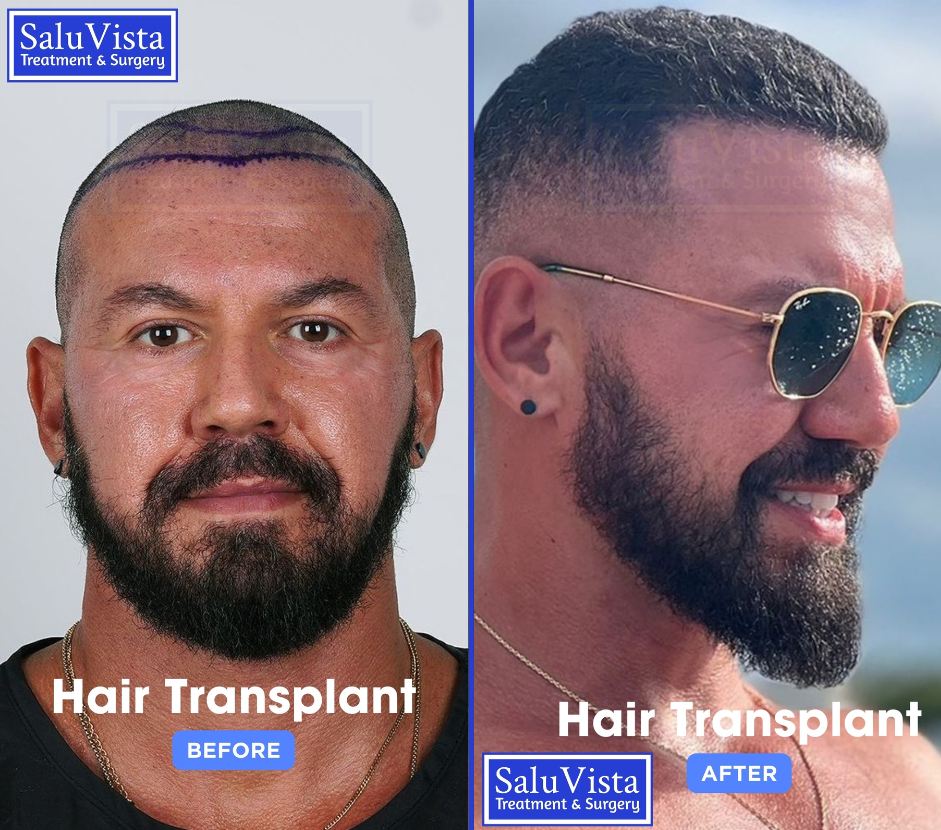
A hair transplant takes hair follicles from an area that is naturally resistant to pattern loss, usually the back and sides of the scalp, and relocates them to bald or thinning areas at the front, crown or hairline. Because it uses your own living follicles, the results grow like normal hair. It is a one-off surgical procedure that rebuilds coverage where hair has already been lost; it does not, however, stop the genetic process affecting the hair you weren't born to lose. Our hair transplant hub explains the modern techniques in detail, and if you want to gauge your stage of loss first, the Norwood scale guide is a useful starting point.
Minoxidil
Minoxidil is most commonly a topical treatment applied directly to the scalp (it also comes in other forms); it is thought to prolong the active growth phase of the hair cycle and improve blood flow to the follicle. It doesn't reverse baldness in areas where follicles are gone, but it can help support and thicken existing hair. It works only while you keep using it.
Finasteride
Finasteride is an oral tablet that lowers levels of DHT (dihydrotestosterone), the hormone that drives male-pattern hair loss; by reducing DHT, it aims to slow the shrinking of follicles and, for some people, help maintain or modestly improve existing hair. Like minoxidil, its effect depends on continued use, and it carries potential side effects that should be discussed with a doctor. The NHS overview of hair loss is a sober, non-commercial reference on how these treatments are viewed medically.
Side-by-side comparison
| Hair transplant | Minoxidil & finasteride | |
|---|---|---|
| What it does | Relocates your own hair to bald areas | Aims to protect & support existing hair |
| Regrows bald scalp? | Yes — rebuilds coverage | No — works on hair still present |
| Type | One-off surgical procedure | Ongoing daily medication |
| Duration of effect | Transplanted hair typically persists | Only while you keep using it |
| Main role | Restore what's lost | Slow further loss |
| Cost pattern | Larger one-off cost | Lower cost, but indefinite |
| Decided with | A surgeon, after assessment | A doctor, who weighs side effects |
Why they often work together
Here's the key insight most comparisons miss: a transplant and medication are frequently partners, not alternatives. Surgery restores the area you've already lost. Medication, where a doctor considers it appropriate, aims to protect your remaining native hair, the hair the transplant didn't touch. That way, it doesn't keep thinning around your new grafts and leave an uneven look years later.
Think of it this way: a transplant fills the gap, and medication defends the ground you still hold. One without the other can leave the job half done.
This is exactly why an honest surgeon won't just book you in. Before travelling, SaluVista patients speak with their surgeon, and part of a good assessment is discussing whether your loss is stable, and whether protecting your existing hair, medically or otherwise, should be part of the plan. You can read more about who performs these procedures on our surgeons page, where hair restoration is led by Op. Dr. Caner K., a board-certified plastic surgeon with 10,000+ surgeries.
Important: This article does not tell you to start or stop any medicine. Minoxidil and finasteride are real medicines with real potential side effects. Only a qualified doctor who knows your history can decide whether they're right for you.
Honest expectations
No treatment for hair loss offers guarantees, and you should be wary of anyone who promises "permanent", "100%" or "guaranteed density". What can reasonably be said is more measured:
- Medication is generally aimed at maintenance. That means holding on to what you have and, for some, a degree of improvement. Results vary between individuals and reverse if treatment stops.
- A transplant redistributes a finite amount of donor hair. It can meaningfully restore a hairline or crown, but it can't give you more total hair than your donor area can supply, and it doesn't halt future loss elsewhere.
- Timelines are slow. Transplanted hair sheds first and regrows over many months; medication is judged over months too, not days.
Both authoritative bodies and honest clinics stress realistic goals. The International Society of Hair Restoration Surgery (ISHRS) is a good non-commercial source on what surgery can and cannot do, and on choosing a qualified surgeon. For a deeper look at how long transplant results hold up, our guide on whether a hair transplant lasts has more.
Who each option suits
- Medication first may suit people in the early stages of thinning who still have most of their hair and want to try to preserve it before, or instead of, considering surgery.
- A transplant generally suits people with established bald or clearly thinning areas and a good donor supply, whose loss is stable enough to plan around.
- Both together suits many people with pattern loss: surgery for the visible gap, medication to protect the rest, when a doctor agrees it's appropriate.
Safety and suitability are individual. If surgery is on your mind, our guide on whether hair transplants are safe covers the risks candidly. Screening and the final decision at SaluVista happen with a qualified human. Booking starts in the app, but a clinician makes the call.
Cost compared
The two options have very different cost shapes. Medication is cheap to start but is an indefinite, recurring expense. You pay for as long as you use it, potentially for years. A hair transplant is a larger one-off cost. At SaluVista a hair transplant starts from £1,500 / $2,020 (approximately €1,750) for a single session with an unlimited number of grafts, all-inclusive, with your final plan confirmed after assessment. Cost alone shouldn't decide it, because the two do different jobs. But over enough years, a one-off procedure and ongoing medication can end up closer in total than they first appear.
Not sure whether surgery, medication, or both fit you?
Share your stage of hair loss, health details and goals. Speak with your surgeon before you travel. You'll get an honest, personalised view, including if medication alone makes more sense for now.
Get a free assessment →How to decide
- Identify your stage. Early thinning and established baldness call for different approaches. The Norwood scale helps you frame it.
- Get assessed by a clinician. Your donor supply, how stable your loss is, and your health history all shape what's sensible.
- Weigh commitment, not just cost. Daily medication and a one-off procedure ask different things of you over time.
- Never start or stop a prescription on your own, and never decide under pressure or on price alone.
Frequently asked questions
Is a hair transplant better than minoxidil and finasteride?
They do different jobs, so neither is simply better. A hair transplant physically relocates your own hair to restore areas that are already bald or thinning. Minoxidil and finasteride are medications that aim to slow further loss and support existing hair, but they do not create new coverage in bald areas. For many people the strongest plan combines both: surgery for the bald zone and medication to protect the hair they still have.
Do I still need medication after a hair transplant?
Often, yes. A transplant restores the treated area, but it does not stop the genetic process that thins your remaining native hair. Many surgeons suggest continuing medication such as finasteride or minoxidil to help protect non-transplanted hair, so results stay balanced over time. Whether it suits you is a decision to make with a doctor, based on your health and history.
What is the difference between minoxidil and finasteride?
Minoxidil is usually a topical treatment applied to the scalp that is thought to prolong the hair growth phase. Finasteride is an oral tablet that reduces the hormone DHT, which drives male-pattern hair loss. They work in different ways and are sometimes used together. Both are medicines with possible side effects and should be discussed with a doctor before starting or stopping.
Will my hair fall out if I stop the medication?
Minoxidil and finasteride work while you take them. If you stop, the loss they were holding back can gradually resume over the following months. Transplanted hairs are taken from areas that are typically resistant to pattern loss, so they usually persist, but the surrounding native hair can continue thinning without treatment. Never start or stop a prescription medicine without medical advice.
Can I have a hair transplant if I have never taken medication?
Yes. Medication is not a requirement for surgery. However, a surgeon will assess how stable your hair loss is, because ongoing thinning around a transplant can affect how natural the long-term result looks. That assessment sometimes includes a conversation about whether medication could help protect your remaining hair. The final decision is always made with a qualified clinician.
How much does a hair transplant cost compared with medication?
Medication is a low upfront cost but an ongoing, indefinite expense for as long as you use it. A hair transplant is a larger one-off cost. At SaluVista a hair transplant starts from £1,500 / $2,020 (approximately €1,750) for a single session with an unlimited number of grafts, all-inclusive, with your final plan confirmed after assessment. The right choice depends on your goals, not on price alone.
How do I find out what suits me?
Start with an assessment of your stage of loss, donor supply and health. Get the SaluVista app or message us for a free, honest review — you'll speak with your surgeon before any decision is made.
This article is general information, not medical advice, and does not replace a consultation with a qualified doctor. It is not a recommendation to start or stop any medication. Individual results and recommendations vary. Always discuss your options, medicines and risks with a medical professional.
Sources & further reading